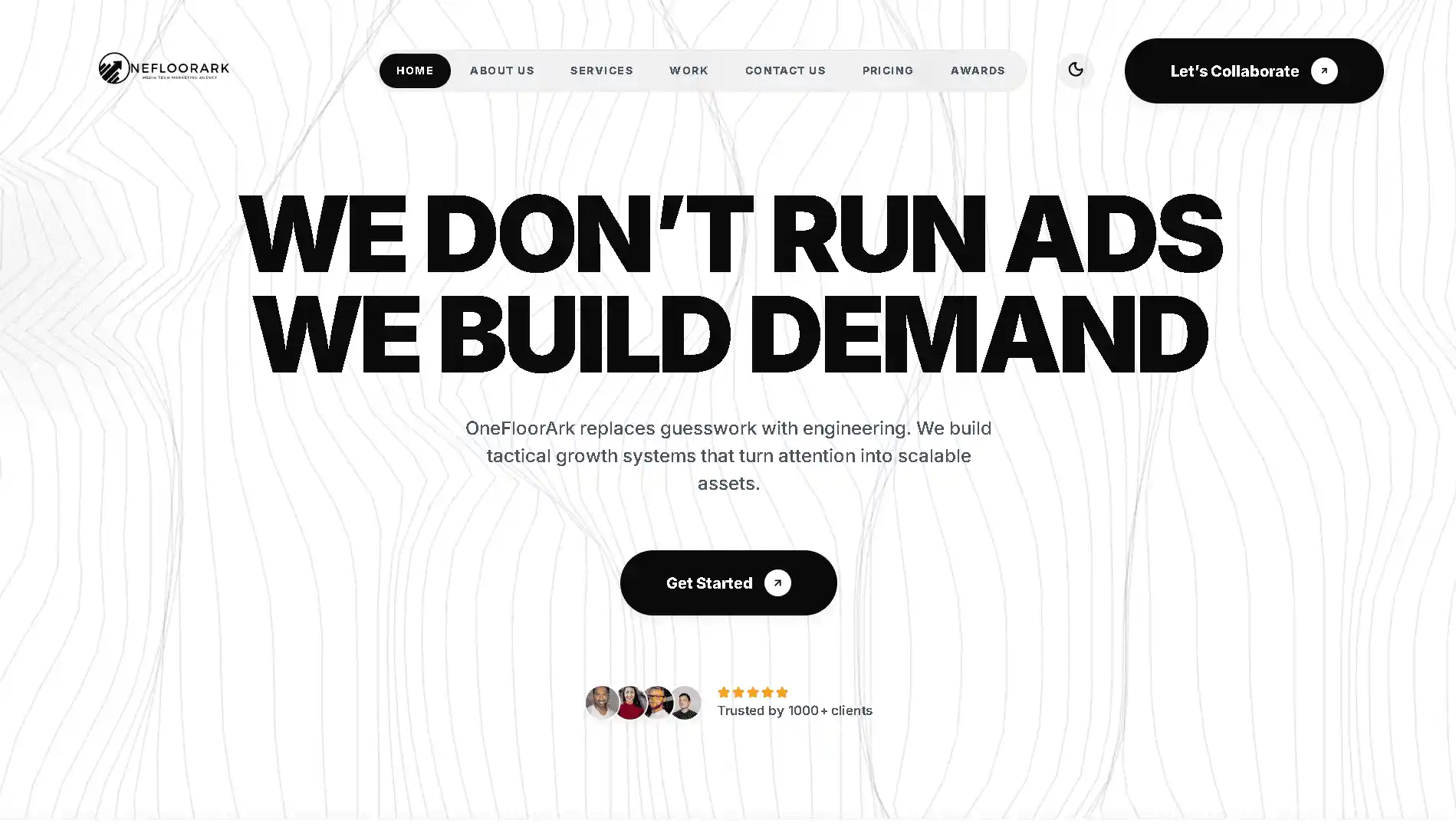
If you're searching for a design system agency in India or trying to build a scalable UI design system, this guide breaks down exactly how we built ONEFLOORARK’s system from scratch.
A design system is more than just UI components. It’s a structured framework that ensures consistency, faster development, and better user experience across your entire product.
At ONEFLOORARK, we built a system that helps teams design and develop faster without sacrificing quality.
Why Your Business Needs a Design System
Before diving into the process, let’s understand why design systems matter.
A well-built design system helps you:
- Maintain consistent UI/UX across all pages
- Speed up design and development workflows
- Reduce design and development costs
- Scale your product without redesigning everything
- Improve brand recognition
Whether you're a startup, SaaS product, or marketing agency, a design system is a long-term asset.
Step 1: Auditing Existing Design (Finding the Gaps)
We started by analyzing existing designs and identifying inconsistencies.
We found:
- Different button styles across pages
- Inconsistent spacing and layout
- No clear typography hierarchy
- Random color usage
This audit helped us define what needed to be standardized.
Step 2: Defining Design Principles
Every strong design system is built on clear principles.
Our system is based on:
Clarity
Users should instantly understand every element.
Consistency
Same components → same behavior everywhere.
Scalability
The system should grow with the product.
These principles guide every design decision.
Step 3: Creating Design Tokens (Foundation of UI Design Systems)
Design tokens are the core of any scalable design system.
We defined:
Color System
- Primary, secondary, accent colors
- Neutral shades for backgrounds
- Semantic colors (success, error, warning)
Typography System
- Font families and sizes
- Responsive text scaling
- Defined hierarchy (H1–H6, body, captions)
Spacing System
We used an 8px grid system to maintain consistent spacing.
Elevation & Effects
- Shadows
- Border radius
- Hover effects
This ensured a single source of truth across design and development.
Step 4: Building Reusable UI Components
Next, we created reusable components — the backbone of any UI design system.
Core Components
- Buttons
- Input fields
- Cards
- Modals
Each component includes:
- Variants (primary, secondary, outline)
- States (hover, active, disabled)
- Responsive behavior
Advanced Components
- Navigation bars
- Hero sections
- Pricing layouts
- Portfolio/work sections
This allows rapid page creation without redesigning elements.
Step 5: Designing a Strong Visual Identity
A design system should reflect your brand.
For ONEFLOORARK, we focused on:
- Minimal and clean layouts
- Strategic use of gradients
- Bold typography
- Smooth micro-interactions
This creates a premium and modern feel across all pages.
Step 6: Design to Development Handoff
A major challenge in most projects is the gap between designers and developers.
We solved this by:
- Using consistent naming conventions
- Implementing design tokens in CSS variables
- Building reusable React components
This ensures faster and error-free development.
Step 7: Documentation (Critical for Scaling Teams)
Without documentation, a design system fails.
We created detailed guidelines for:
- Component usage
- Layout structures
- Spacing rules
- Do’s and Don’ts
This makes onboarding easier and keeps the system consistent.
Step 8: Continuous Improvement
A design system is never finished.
We continuously:
- Refine components
- Remove inconsistencies
- Improve usability
Each project helps evolve the system further.
Results: What Changed After Implementing the Design System
After building the ONEFLOORARK Design System:
- Design time reduced significantly
- Development became faster and more predictable
- UI consistency improved across all pages
- Scaling new features became easier
Why Choose a Design System Agency in India?
If you're planning to build a product or website, working with a design system agency in India offers:
- Cost-effective development
- High-quality UI/UX expertise
- Faster turnaround time
- Scalable design solutions
Final Thoughts
A design system is not just a tool — it’s a strategy.
At ONEFLOORARK, it changed how we design, build, and scale products.
Instead of designing screens, we now design systems that grow with businesses.
Looking for Design System Development?
If you're building a startup, SaaS product, or agency website and need a custom UI design system, ONEFLOORARK can help you create a scalable and high-performing solution.
Let’s build something powerful